
 App Store
 Google


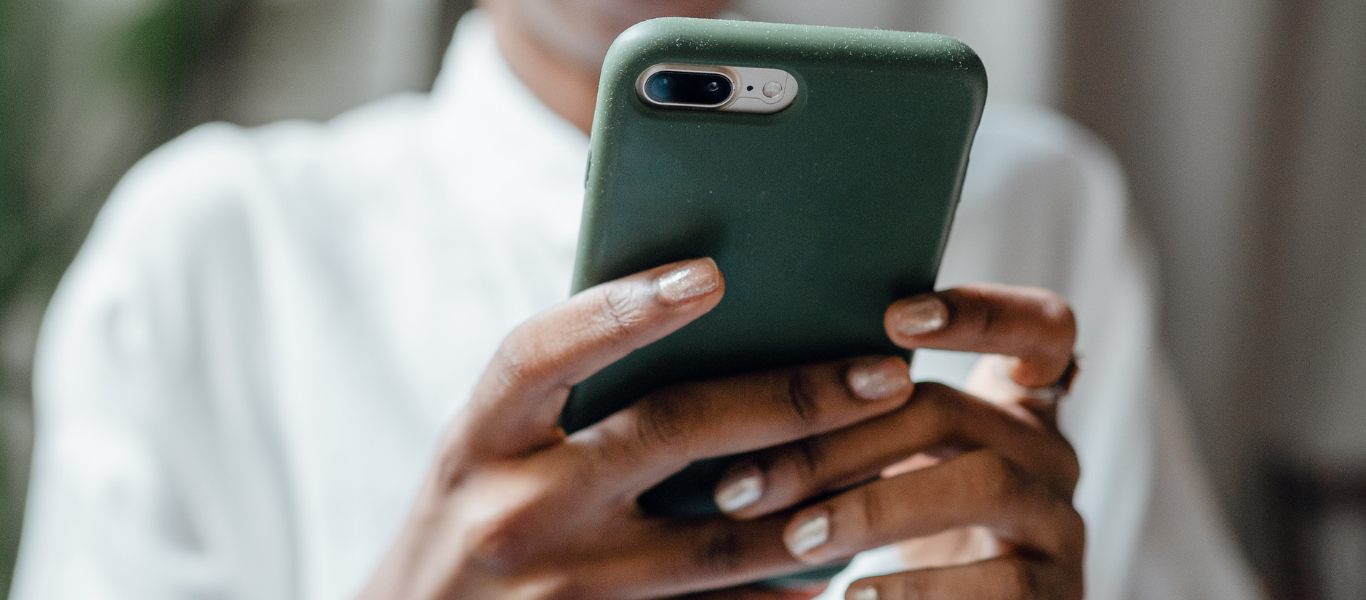
The use of mobile banking apps is at an all-time high. While using mobile apps offers convenience, it also means an increased opportunity for fraud. Thus, there is a need for more mobile banking security to protect you from fraudulent attacks.
Digital banking is a fast and convenient way to manage your money quickly from anywhere. Digital banking allows you to check your account balance, pay bills online, transfer money, and more.
More consumers are using Digital Banking on their mobile devices instead of in-person visits to the bank. You can pretty much do most transactions in the bank branch online.
Some people shun mobile banking because of possible dangers. Most mobile apps are secure. Financial institutions heavily invest in mobile banking security to protect their mobile app, keep your money safe, and ensure you are the only one with access to your account. These security features may include:
- Two-factor authentication (2FA) requires users to provide two verification factors before accessing their bank’s mobile app.
- End-to-end encryption ensures no one except the receiver and interlocutor (go-between the sender and the receiver) can read the message.
While mobile banking apps have their mobile banking security features, as a digital banking user, you need to take additional precautions to stay safe and protected from fraud.

Cybersecurity experts say Digital banking is safe. Nevertheless, they still urge consumers to take precautionary measures. This blog will discuss the best practices and tips to help you strengthen your mobile banking security.
-
Use the Official Banking App
Make sure to download the official mobile app of your bank from a trusted app store like the Apple App Store or Google Play. Some apps include heightened security tools for added safety. Avoid third-party apps because they may not have the same security standards.
Experts in the banking industry say downloading a mobile app from a secure store is as safe as visiting a bank branch. While the Apple App Store and Google Play are safe places to download a mobile banking app, downloading the official app from the bank’s website is still the safest.
-
Ensure a Secure Internet Connection
Public Wi-Fi connections are convenient when you are saving your data. However, you may be vulnerable to a potential hack if you enter your username, password, and PIN through Public Wi-Fi.
Avoid using public Wi-Fi networks for mobile banking. Use a virtual private network (VPN) to encrypt your connection.
-
Use Strong and Unique Passwords
Create a strong and unique password for your mobile banking app. Refrain from using easily guessable passwords like birthdates, names, etc. The strongest passwords combine upper and lower case letters, numbers, and special characters.
-
Always Keep Your Password Private
Enable Multi-Factor Authentication (MFA) for your digital banking app whenever possible for an extra layer of mobile banking security. An enabled MFA requires you to input your password and a one-time code sent to the mobile number associated with your mobile app account.
Never divulge your personal information, especially your password, to anyone. Scammers will call, claiming to be from the bank, and try to get you to give them your password.
Some scammers often contact you through text or email and provide a fraudulent link where you are supposed to enter your password. Never click on any link sent by unauthorized persons or a link you find in an internet search. In most likelihood, that is a fraudulent link to a phishing website.
Reputable financial institutions will never ask for personal information, especially passwords. The most they will ask you is information to prove your identity, like your birthday, mom’s maiden name, etc., but never your password or one-time code sent to your mobile phone.
-
Install Additional Security Tools
Your financial data is critical. Therefore, you will want to download barriers to prevent unwanted people from accessing your mobile device and financial data. If your app supports these features, use biometric authentication or facial recognition to enhance your mobile app’s security.
-
Log Out After Every Session
You can log in to the banking site through your web browser or the bank’s official app. Whichever way you access the banking site, log out after every session. Do not leave it open in the background.
Logging out of the banking site will cut the connection and protect your information should you connect to a public Wi-Fi system or lose your device.
Always check the URL of the page you are logging in and verify its authenticity before entering your login details. If you think it does not look good, contact your bank.
-
Keep Your App and OS Updated
Regularly update your mobile banking app and smartphone’s operating system. These updates often include features to improve security and protect your device against the latest threats.
You should also install security software or antivirus apps on your mobile device for protection against malware and other threats.
-
Disable Mobile Banking When You Lose Your Phone
If you lose your debit or credit card, your first instinct is to inform your financial institution. The same goes if you lose your mobile device. Call your bank. They will give you instructions on how to turn off digital banking.
-
Delete Apps and Information If You No Longer Use Your Phone
Delete your mobile banking app and personal information from your phone when you no longer want to use it, sell it, or give it to someone. Also, delete apps that connect to your private data or financial institutions (e.g., subscriptions, Amazon, etc.)
Everyone worries about cybersecurity when using mobile banking. These best practices and tips can significantly enhance mobile banking security and protect your financial information.
Over and above the tips mentioned above, it is wise to frequently monitor your account statements and transaction history to detect suspicious activity. You should then report any discrepancies to your bank immediately.
Stay informed about common scams and security threats. Being aware of current threats can help you recognize and avoid them.
Prioritizing mobile banking security and staying vigilant can help you deal with emerging threats in the digital world. Take advantage of the benefits of mobile banking while keeping your financial data secure.

Download the Greater Alliance Federal Credit Union Mobile app and enjoy anytime and from anywhere access to your bank accounts. The Multifactor Verification ensures mobile banking security because it makes it more difficult for fraudsters to access your account.
